
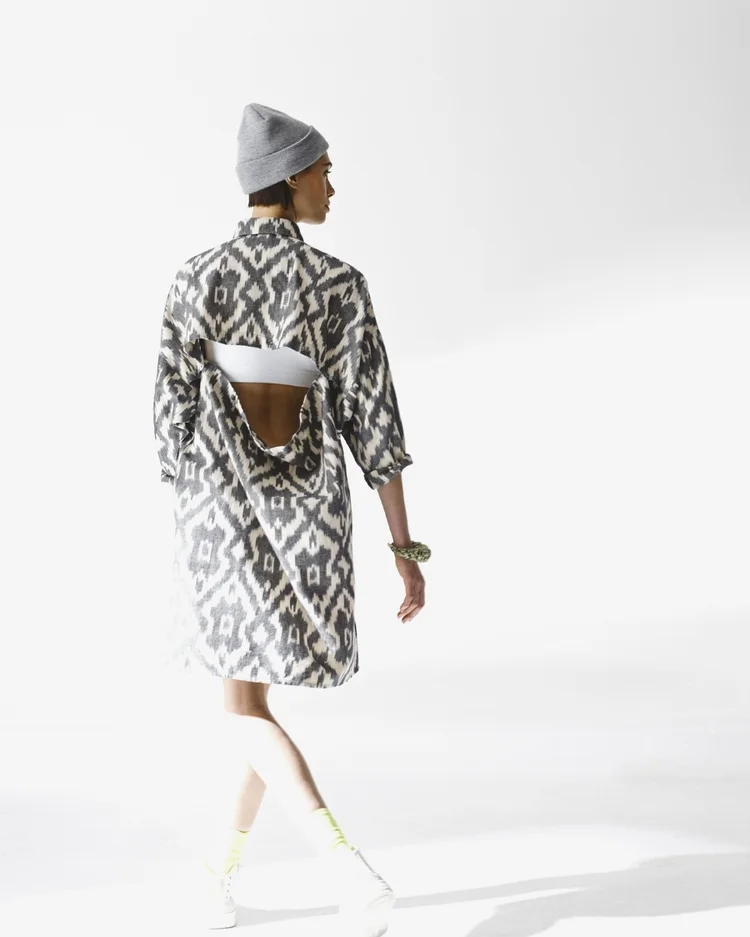
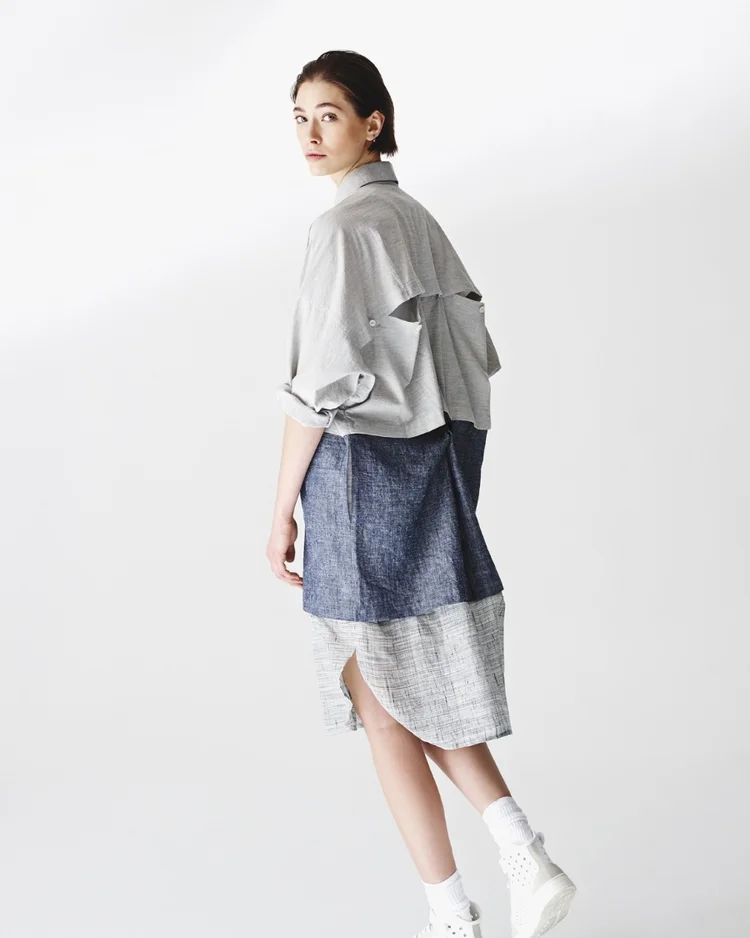
Tara St James wanted to be prime minister, but eventually she was drawn to fashion. In 2009, this young Canadian launched Study NY, an ethical clothing brand based in Brooklyn, which does not follow the traditional fashion calendar.
original interview by Karen Rouach
KR: How did you start your own label ? What did you do before ?
TSJ: I knew very young that I wanted to design clothes and work in fashion. I studied menswear in college because I liked the rigid structure of tailoring. I still apply a lot of those principles to my womenswear designs. Another underlying principle I learned from studying menswear - though it was not mentioned outright - was a disregard for trendy items, with a focus on craftsmanship, fit and longevity of wear. I started my career working in the denim industry, then worked for larger fast fashion brands in Montreal and New York. In 2009 I left my last job designing a high street brand called Covet and started Study. I started Study at a time in my career when I was very frustrated with fast fashion and mass production. With Study, we wanted to not just source sustainable materials but also produce them locally. There is a bit of a disconnect between sourcing sustainable materials and then producing garments in a large factory in China. I had a lot of experience sourcing sustainable materials through previous roles, however, producing the clothing locally was something completely new for me, very different, but a really enjoyable experience. I love being so hands on. We have also looked at our business model and want to provide an alternative to fast fashion and the traditional fashion calendar. We have moved away from seasonal collections, which never made sense to me. We now provide monthly editions and develop a few new pieces for the months ahead. This has been a great change for me and the stores love it as they are getting new stock in that is relevant to the time of year and can really build a collection.
KR: Why did you create an ethical brand ?
TSJ: I started Covet, a more mass market eco brand in 2004. When I left that company to start my own collection, I was armed with a tremendous amount of knowledge about the industry and production, and I couldn't conscientiously create a new brand that wasn't sustainable.
Fashion is art in my opinion. But to some cultures clothing is just a means of protection from the elements. There is such a huge gap between how first and third world nations view clothing and design. Ethical fashion has the ability to bridge that gap by providing developing nations with a market for their traditional craft techniques and a sustainable business opportunity.
I have a checklist of sustainability tenets, and on my blog. If I can check off at least 3 items from the list with each garment, then I will consider it sustainable and therefore eligible to be branded Study. But checklist aside, I don't believe another human, animal or the environment should have to suffer for fashion. It's as simple as that.
KR: Why is there always this "sporty touch" in your work ?
TSJ: That's a curious question as I didn't really think there was a sporty touch in my work, I consider my style to be casual, comfortable, accessible, slightly unisex and timeless.
KR: What inspires you ?
TSJ: I draw inspiration from many sources, fine art, music, film, architecture, people. Life in general. It's difficult for me to force inspiration, I just have to be ready for it when it shows up.
